The centerpiece of any Thanksgiving feast is undeniably the turkey. Yet, for many home cooks, the anticipation of a grand, golden bird often gives way to the disappointment of a bland, dry culinary creation. It doesn't have to be this way. Imagine carving into a turkey that's not only incredibly moist but bursts with a symphony of flavors – a true testament to culinary mastery. The secret lies not just in the cooking method, but crucially, in mastering the art of a truly flavorful turkey seasoning. Forget the days of uninspired birds; with the right approach, your Thanksgiving turkey can become a succulent, aromatic masterpiece that leaves a lasting impression.
Why Homemade Flavorful Turkey Seasoning is a Game-Changer
In the quest for the ultimate Thanksgiving turkey, many reach for pre-made spice blends, hoping for a shortcut to deliciousness. However, the truth is that no store-bought option can truly compare to a homemade flavorful turkey seasoning. Crafting your own blend offers unparalleled control over the quality and freshness of ingredients, allowing you to fine-tune the flavor profile to perfection. Not only will you know exactly what goes into your meal, but the depth and complexity of a homemade rub are simply in a league of their own.
A superior turkey seasoning doesn't just flavor the meat; it contributes to the overall culinary experience. As the turkey roasts, the spices work their magic, creating an incredible, crispy crust on the skin. More importantly, these potent flavors infuse into the drippings, forming the foundation for an unbelievably rich and savory homemade gravy. This isn't just a side dish; it's a vital component that ties the entire meal together, often stealing the show itself. Imagine a gravy so delicious, it brings back nostalgic memories of deli favorites, all thanks to the carefully selected spices that season your bird.
This particular blend embodies a perfect balance: it’s deeply savory, boasts a subtle smokiness, and carries a hint of sweetness that enhances the natural flavor of the turkey without overpowering it. Whether you're roasting a magnificent whole bird for a large gathering or preparing smaller turkey tenderloins for a more intimate setting, this versatile seasoning elevates any cut, ensuring every bite is moist and packed with flavor.
The Core Ingredients for an Unforgettable Flavorful Turkey Seasoning Blend
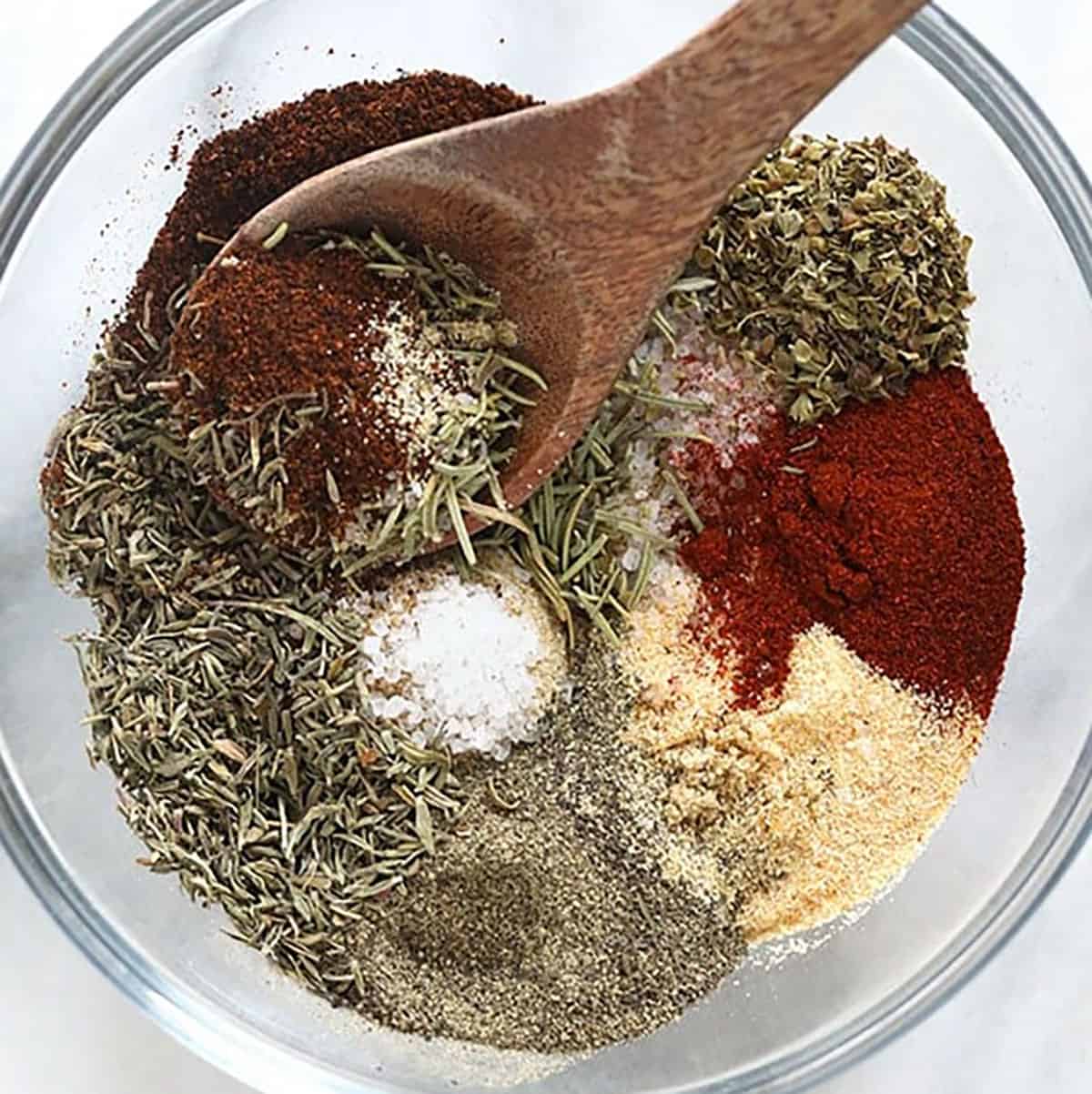
The beauty of creating your own signature flavorful turkey seasoning lies in its simplicity and accessibility. Chances are, most of the ingredients are already staples in your pantry. By combining common yet powerful spices, you unlock an explosion of taste that will far surpass any commercial blend, and with ingredients you can actually pronounce!
- Dried Thyme: A classic poultry herb, thyme offers an earthy, slightly minty, and peppery flavor that is foundational to traditional turkey seasoning.
- Dried Rosemary: Pungent and piney, rosemary adds a robust, aromatic note that pairs beautifully with turkey, contributing to that quintessential holiday aroma.
- Dried Oregano: With its warm, aromatic, and slightly bitter notes, oregano lends a Mediterranean depth that rounds out the herbal profile.
- Garlic Powder: A must-have for virtually any savory dish, garlic powder provides an essential pungent, sweet, and umami base that enhances all other flavors.
- Chili Powder: This isn't about heat; chili powder contributes a complex, earthy warmth and a subtle smoky undertone, adding depth without making your turkey spicy.
- Smoked Paprika: The true secret weapon for that irresistible smokiness. Smoked paprika adds a vibrant color and a profound, savory depth that differentiates this blend.
- Brown Sugar: A touch of brown sugar is crucial for two reasons: it aids in the caramelization of the skin, creating that coveted golden-brown crispness, and it provides a subtle sweetness that balances the savory and smoky elements.
- Coarse Salt: Essential for seasoning, salt not only enhances existing flavors but also helps to draw out moisture and keep the meat juicy through osmosis.
- Pepper: Freshly ground black pepper adds a sharp, pungent bite that completes the flavor profile, providing a mild heat and aromatic complexity.
This carefully curated combination yields approximately 1/3 cup of seasoning, which is typically sufficient for a 15 lb turkey. For larger or smaller birds, a good rule of thumb is to use about 1.5 tablespoons of this potent blend per pound of turkey, ensuring every ounce of meat gets its fair share of flavor.
Mastering the Application: How to Season Your Turkey for Maximum Flavor and Juiciness
Creating the perfect flavorful turkey seasoning is only half the battle; knowing how and where to apply it is equally critical for achieving juicy, flavor-packed results. The process is straightforward, but attention to detail makes all the difference.
- Mix Thoroughly: Begin by combining all your dry rub ingredients in a bowl. Whisk them together until they are uniformly distributed, ensuring every pinch of seasoning has the complete flavor profile.
- Pat Dry: Before applying any seasoning, it is crucial to pat your turkey thoroughly dry with paper towels. A dry surface allows the seasoning to adhere better and promotes incredibly crispy skin.
- Go Everywhere: Don't be shy! Generously sprinkle the spice blend all over the turkey's exterior. Use your hands to firmly rub it into every crevice, making sure to get it on top of the skin, underneath the wings, and in between the legs. The more contact the seasoning has with the bird, the more flavor it imparts.
- Under the Skin for Optimal Flavor: For an truly exceptional result, gently loosen the skin over the breast and thighs, then rub some of the seasoning directly onto the meat underneath. This direct contact infuses the muscle fibers with flavor, leading to a much more profound taste experience. You can even combine some of the seasoning with softened butter to create a compound butter to rub under the skin for added moisture and richness.
- Don't Forget the Cavity: While not part of the dry rub, consider placing aromatics like halved onions, garlic cloves, lemon slices, and fresh herbs (like thyme and rosemary sprigs) inside the cavity. These will release steam and additional flavors as the turkey roasts, contributing to an overall more aromatic bird.
- When to Season: For the most intense flavor, apply the seasoning at least 12-24 hours before roasting, allowing the salt and spices to penetrate deeper into the meat. If time is short, season the turkey at least 30 minutes before it goes into the oven, after allowing it to come to room temperature for about an hour.
Proper seasoning doesn't just impact the meat; it also significantly enriches the pan drippings. These wonderfully seasoned drippings become the foundation for an unforgettable homemade gravy, a highlight often anticipated as much as the turkey itself. The interplay of spices, turkey juices, and rendered fat creates a concentrated flavor bomb ready to be transformed into a silky, luscious gravy that will have everyone asking for seconds. You can learn more about perfecting your homemade spice blends by checking out Unlock Amazing Flavor: The Best Homemade Turkey Seasoning Recipe.
Turkey Seasoning vs. Poultry Seasoning: Elevating Your Thanksgiving Bird
Many home cooks might wonder if there's a significant difference between a dedicated flavorful turkey seasoning and a general poultry seasoning. The short answer is a resounding yes, and understanding this distinction is key to transforming your Thanksgiving turkey from merely "good" to "extraordinary."
Poultry seasoning is often considered the safe, all-purpose option. Typically, it’s an herb-forward blend featuring ingredients like sage, thyme, marjoram, and rosemary. Designed to be versatile enough for any bird, from chicken to duck, it tends to be lighter in flavor and usually lacks salt, sugar, or any significant heat. It’s a reliable choice for adding a subtle, classic herbal aroma, but it won't make your turkey truly sing.
Turkey seasoning, on the other hand, is crafted with the specific characteristics of turkey meat in mind. Turkey, being a relatively mild-tasting meat, can handle and indeed benefits from bolder, more aggressive flavors. Our specialized blend goes beyond the basic herbs, incorporating elements like smoked paprika, chili powder, brown sugar, and garlic powder alongside those classic dried herbs. The result is a richer, more complex, and more assertive flavor profile that ensures your Thanksgiving bird is truly the star of the show. It’s designed to create a "wow" factor, transforming a potentially bland canvas into a vibrant culinary masterpiece.
And if you're curious, this robust turkey seasoning isn't just for Thanksgiving. Its bold flavor profile makes it incredibly versatile and delicious on other meats, especially chicken thighs, whole roasted chickens, or even pork tenderloin. We've tried it, loved it, and have zero regrets! For more on making your turkey stand out, explore Bold Turkey Seasoning: Make Your Thanksgiving Bird a Flavor Star.
Practical Tips for a Perfectly Flavorful and Juicy Turkey
Beyond the seasoning, a few additional tips can help ensure your turkey is not only flavorful but also incredibly juicy:
- Brining: While this seasoning recipe doesn't require brining, a wet or dry brine can significantly contribute to a juicier turkey, especially if you're concerned about dryness. If you do brine, adjust the amount of salt in your seasoning blend accordingly.
- Temperature Control: Use a reliable meat thermometer to monitor the internal temperature. Your turkey is done when the deepest part of the thigh (not touching bone) reaches 165°F (74°C). Overcooking is the primary culprit for dry turkey.
- Resting is Crucial: Once the turkey reaches temperature, remove it from the oven and tent it loosely with foil. Let it rest for at least 20-30 minutes (or even up to an hour for larger birds) before carving. This allows the juices to redistribute throughout the meat, resulting in a significantly juicier bird. Carving too soon will cause all those precious juices to run out.
- Basting (or Not): While basting is traditional, it's not always necessary and can actually prolong cooking time by cooling the oven every time you open the door. The fat and seasoning under and on the skin often provide enough moisture and flavor to the skin. If you do baste, do it sparingly and during the latter half of cooking.
- Carving Correctly: Learning to carve a turkey properly ensures you get the most meat and the best presentation. Sharpen your knives and take your time.
Ultimately, a Thanksgiving turkey should be a dish of celebration, a culinary focal point that brings joy and satisfaction. By taking the time to create and properly apply a truly flavorful turkey seasoning, you elevate a simple tradition into an unforgettable gastronomic experience. Embrace the power of homemade spice blends, follow these expert tips, and prepare to present a juicy, aromatic, and perfectly seasoned turkey that will be the talk of the table for years to come. Your quest for the perfect Thanksgiving bird ends here – with flavor, juiciness, and homemade deliciousness at its heart.
